This is the livestream registration option for the july 15 session!
Can AI Think Like a Doctor?
What does it mean to name a disease, make a diagnosis, or truly understand what is wrong with someone? This talk explores those questions through a wide-ranging and accessible story about medicine, technology, and the changing nature of medical knowledge. Over the past two centuries, medicine has moved from bedside observation and the study of symptoms, to statistics and population health, to computers designed to assist with diagnosis. Today, with the rise of artificial intelligence, we are once again being asked to rethink what medical expertise is and how it should be used.
Rather than offering a narrowly technical account, this lecture invites a broader reflection on how medicine has tried to bring order to the uncertainty of illness. Why have doctors and scientists repeatedly turned to new tools in the hope of making care more accurate, more rational, and more humane? What has been gained, and what has been lost, along the way?
The second half of the talk turns to the present moment. It offers a balanced introduction to modern medical AI, including its genuine strengths, its important limitations, and the risks of relying on it too easily. The session will conclude with practical suggestions for how older adults can use AI tools to better understand health information, prepare for medical visits, and take a more active role in their own care.
Adam Rodman
Assistant Professor, Harvard Medical School; Director of AI Programs, Shapiro Center for Research and Education, Beth Israel Deaconess Medical Center
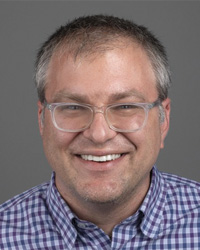
Adam Rodman is a general internist and medical educator at Beth Israel Deaconess Medical Center and an assistant professor at Harvard Medical School. He is the Director of AI Programs for the Carl J. Shapiro Center for Education and Research, and he leads the steering group for integration of AI into the medical school curriculum. He is also an associate editor at NEJM AI, as well as a visiting researcher at Google DeepMind. His research focuses on medical education, clinical reasoning, integration of digital technologies, and human-computer interaction, especially with AI. His first book is entitled Short Cuts: Medicine, and he is the host of the American College of Physicians podcast Bedside Rounds.
Adam completed his residency in internal medicine at Oregon Health and Science University in Portland, OR, and his fellowship in global health at Beth Israel Deaconess Medical Center while practicing in Molepolole, Botswana. He lives in Boston with his wife and two young sons.